-
Panama City Beach holiday – Discrimination and profiling (can be subconscious behaviors)

I had a negative experience earlier today while in Florida. Mary and I spent the last week at Panama City Beach for Mary’s family reunion. Even though it wouldn’t have been my first choice for a holiday destination, we had a great week with Mary’s family… all 34 of us! 🙂 These are the two houses
-
Cortana, I am back!

I had a great time at Facebook. I learned a lot, wrote lots of code, and worked on conversational understanding technologies. I can’t wait to see what the team will do next. Facebook is a unique organization, with an extraordinary culture. The engineering infrastructure is unbelievable and it enables developers to move really fast. I loved it.
-
ReactGraph Part 5 – A user’s feed via “pull” and “push” graph queries

Investigation into bringing together graph and reactive computing. This fifth post in the series showcases slightly more complex LINQ-to-graph and Rx types queries for both “pull” and “push” type computation. ReactGraph Part 1: Graphs and Reactive Computing – Historical Context ReactGraph Part 2: Remote evaluation of continuous queries ReactGraph Part 3 – The Data Model
-
ReactGraph Part 4 – First (Re)Active Queries
Investigation into bringing together graph and reactive computing. This fourth post in the series showcases LINQ-to-graph and Rx types queries for both “pull” and “push” type computation. ReactGraph Part 1: Graphs and Reactive Computing – Historical Context ReactGraph Part 2: Remote evaluation of continuous queries ReactGraph Part 3 – The Data Model Disclaimer Remember that
-
ReactGraph Part 3 – The Data Model
Investigation into bringing together graph and reactive computing. This is the third post in the series and deals with the platform’s data model. ReactGraph Part 1: Graphs and Reactive Computing – Historical Context ReactGraph Part 2: Remote evaluation of continuous queries Nodes and Edges Everything in ReactGraph is a node. A node has an identity
-
ReactGraph Part 2: Remote evaluation of continuous queries
Investigation into bringing together graph and reactive computing. This is the second post in the series and deals with the remote evaluation of continuous queries. ReactGraph – Part 1: Graphs and Reactive Computing – Historical Context What’s an IQbservable? In my previous post I mentioned that Reactor is based on the IQbservable abstraction. Given the importance
-
ReactGraph – Part 1: Graphs and Reactive Computing – Historical Context
Over the last few weeks, as a spare time side project, I’ve been experimenting with a concept that has been circulating in my head for few years now. I’ve been trying to form an opinion, by writing code, around questions such as… What does a graph store with both “pull” querying and “push” reactive computing
-
One Assistant, Personalized, Device Ubiquity, All Services
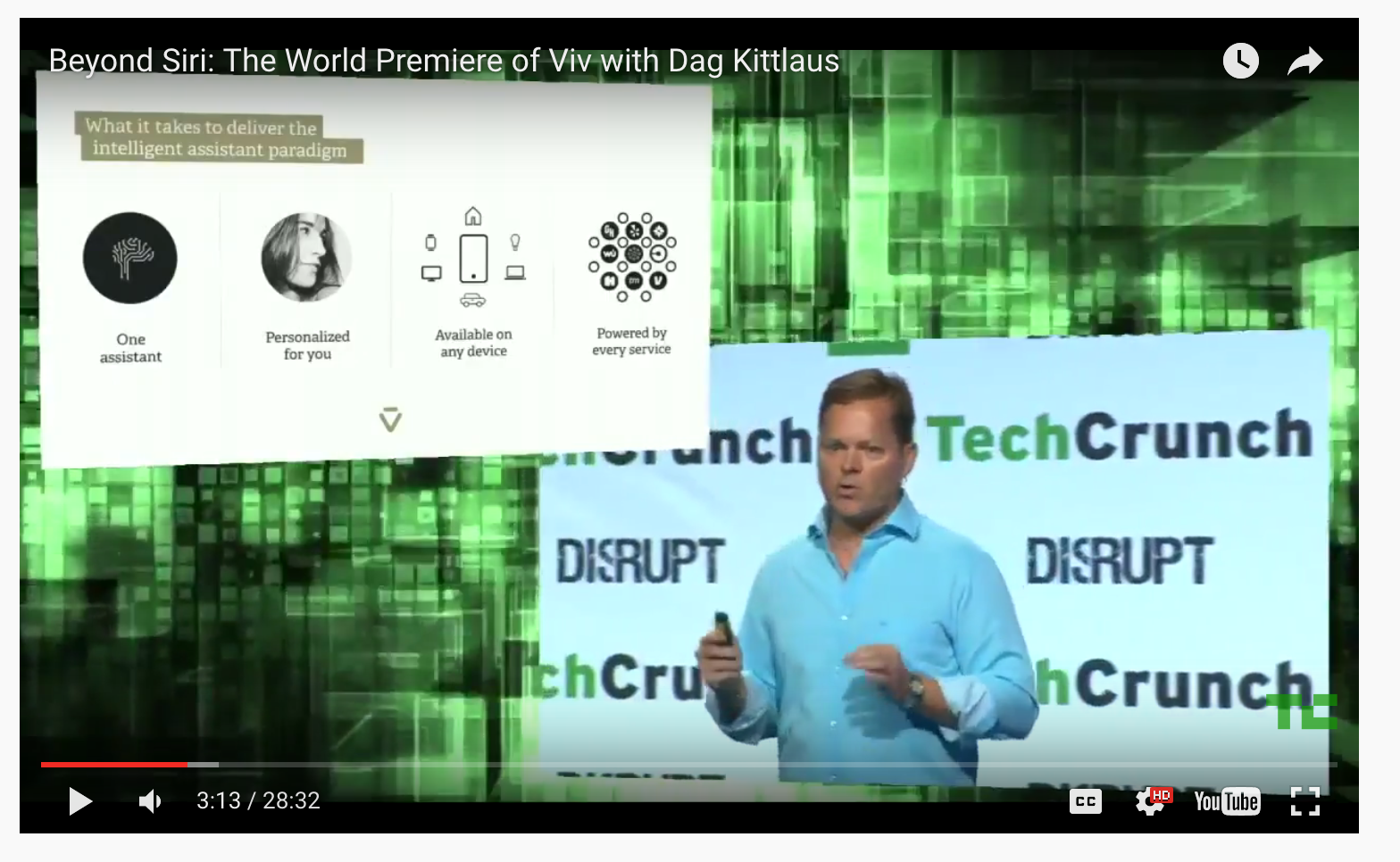
I couldn’t agree more with Viv‘s principles as articulated by Dag Kittlaus in his presentation earlier today. I met with the Viv team about 2 years ago. I was very impressed by their leadership team and their work. However, Facebook managed to persuade me to join them instead. I totally subscribe to the vision of a
-
Application protocol over a WebSocket?
While working on a demonstrator app for the Reactive + Graph system I’ve been building in my spare time, I found myself wanting to implement a RESTful app protocol on top of WebSockets for in-browser app <-> service communication. I actually searched for “HTTP over WebSockets” but couldn’t find anything promising. Does anyone know of
-
The “A” in AI should stand for “Aspirational”
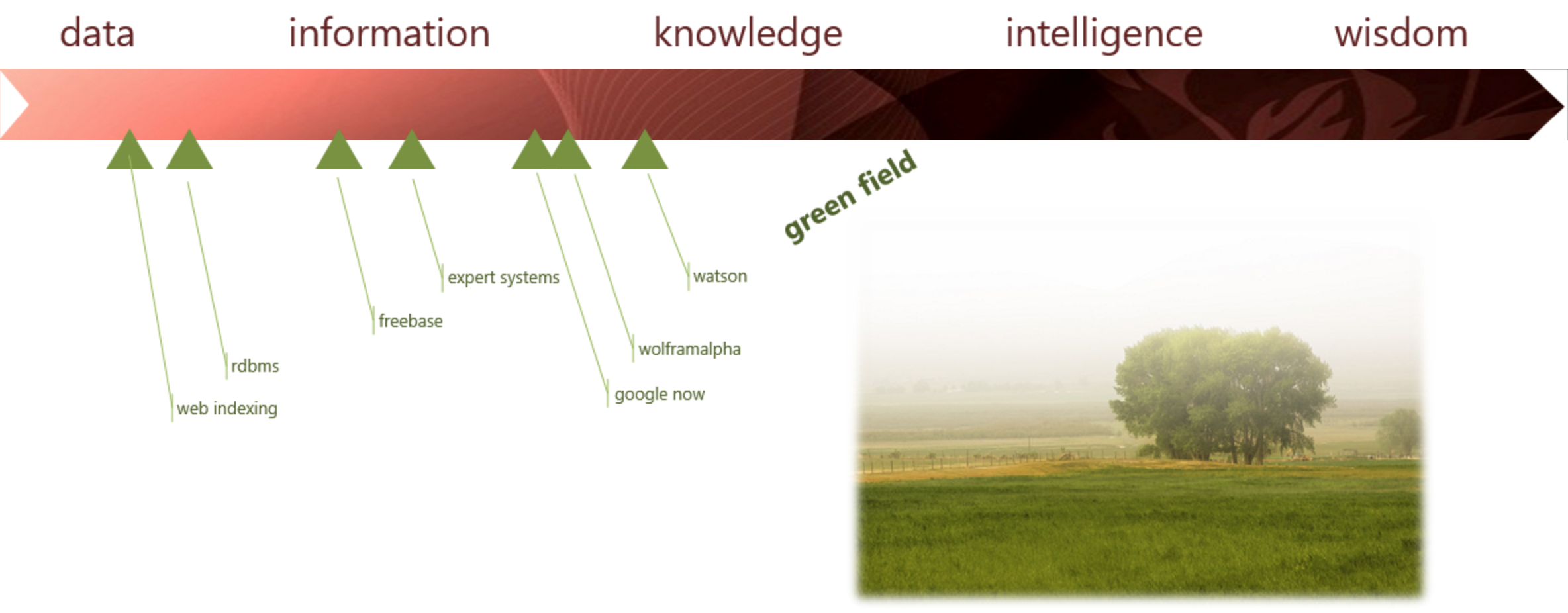
Perhaps the “A” in “AI” should stand for “Aspired” for the years to come 🙂